Guiyang.bai@honno-auto. com
86-13840589744
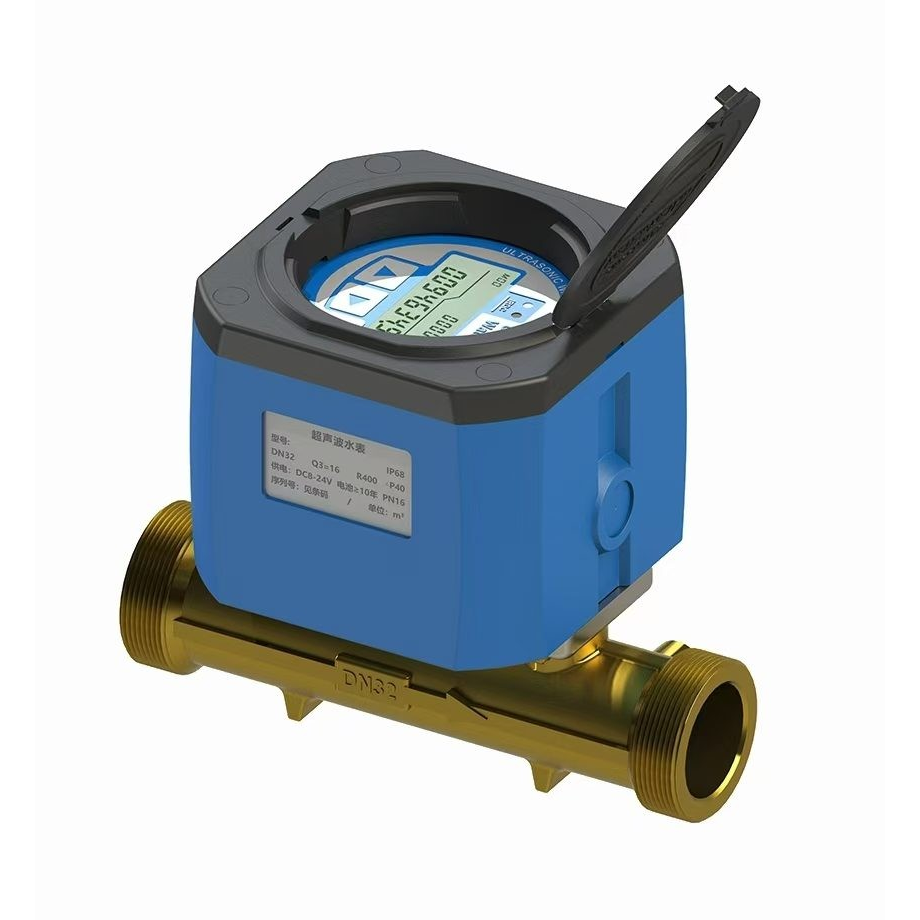
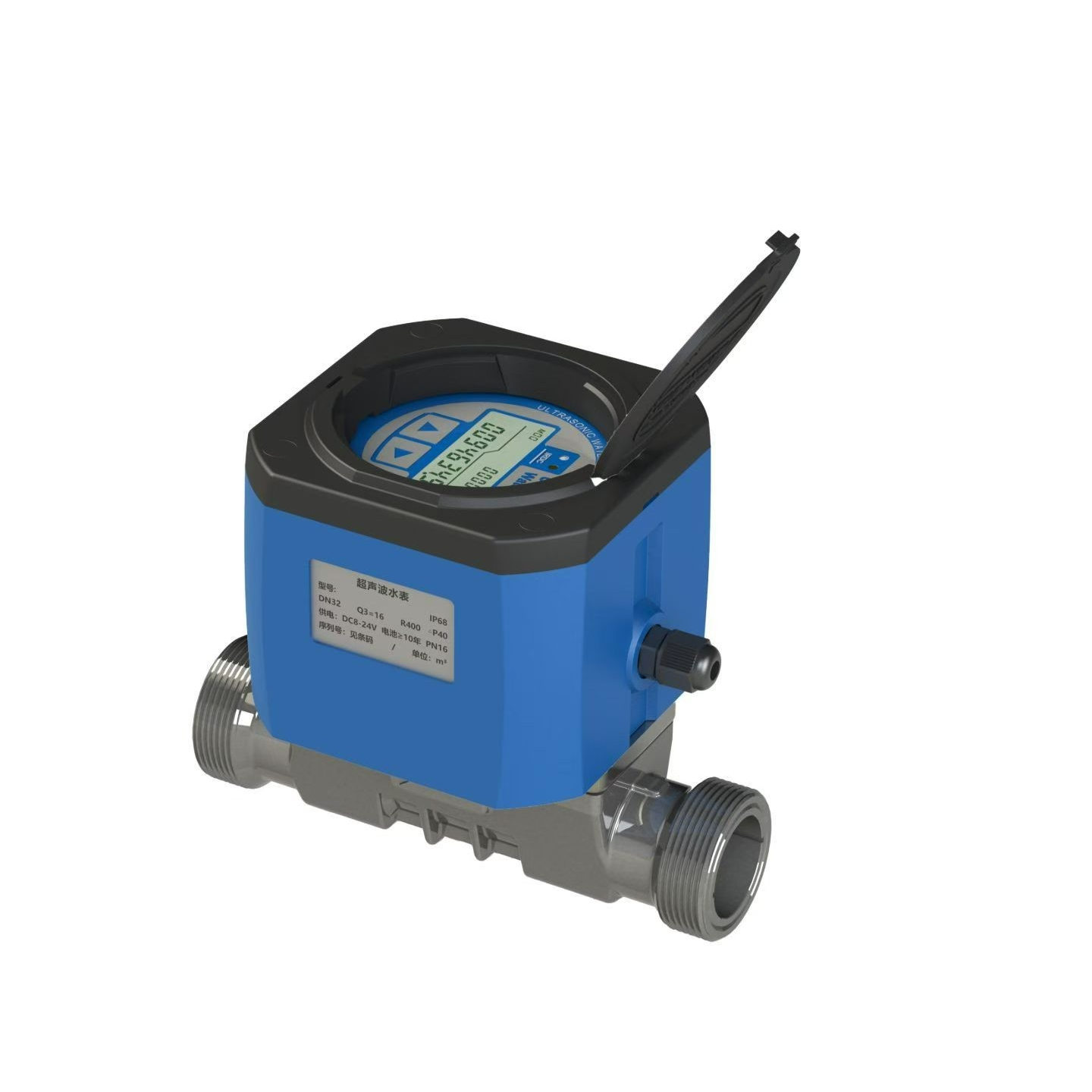
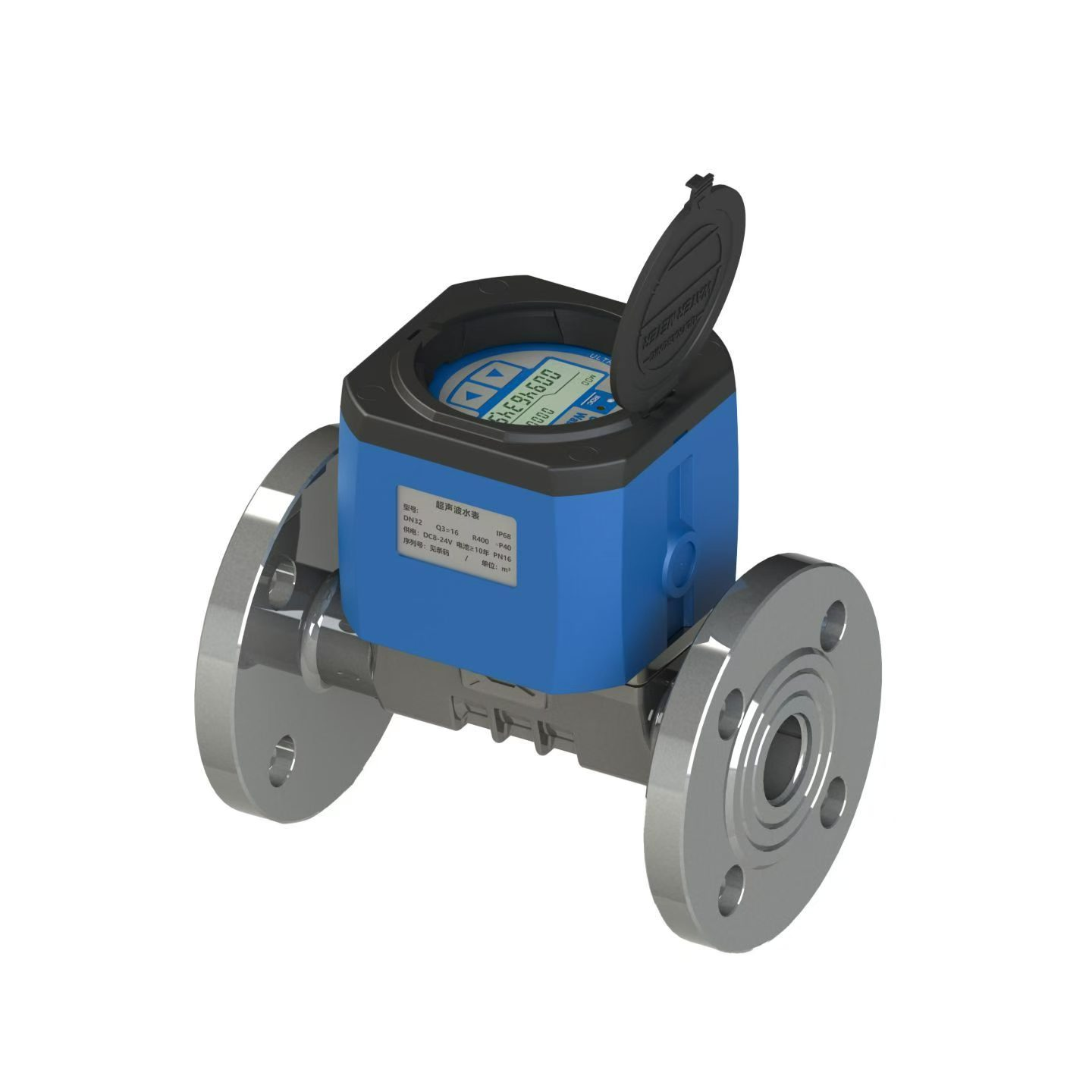
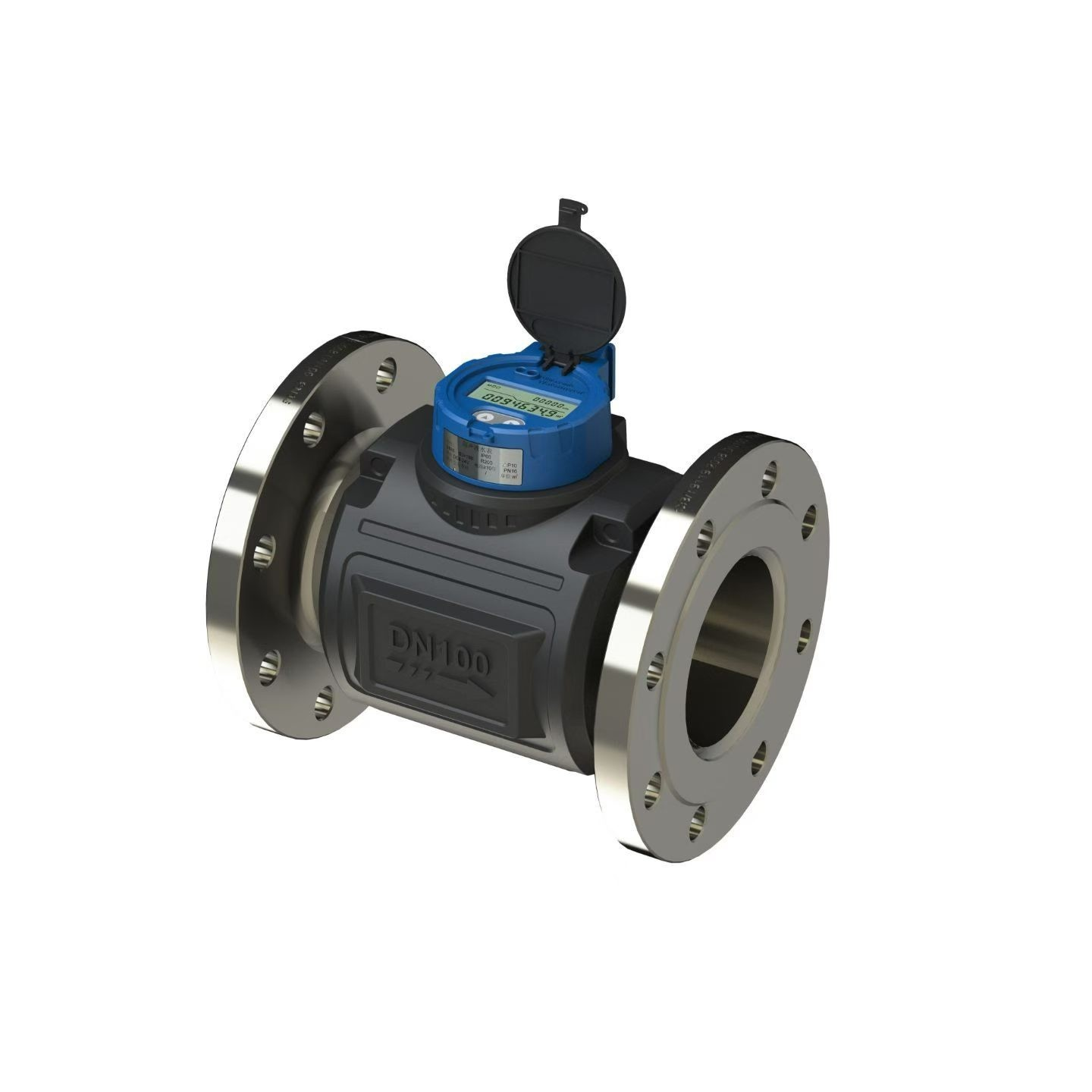
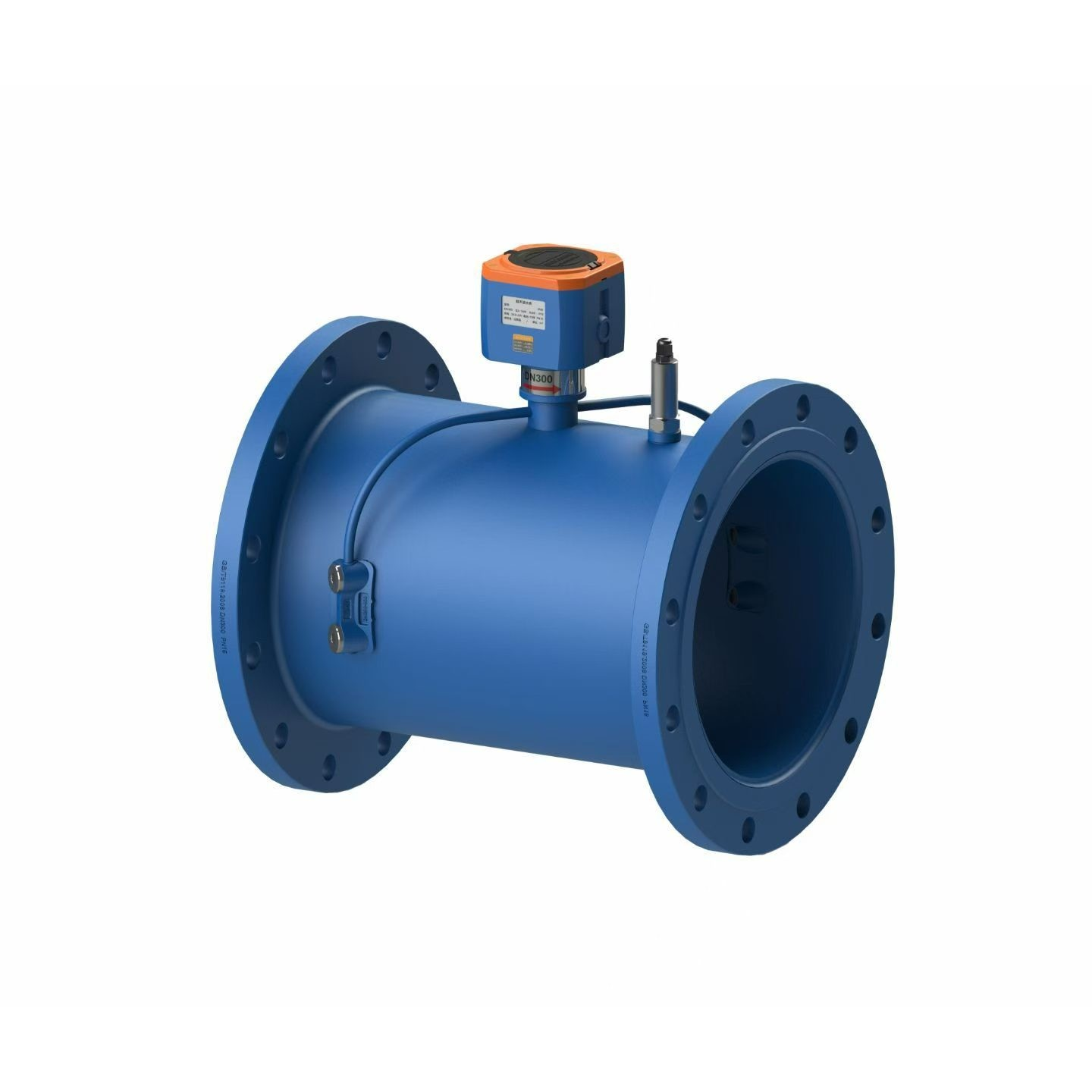
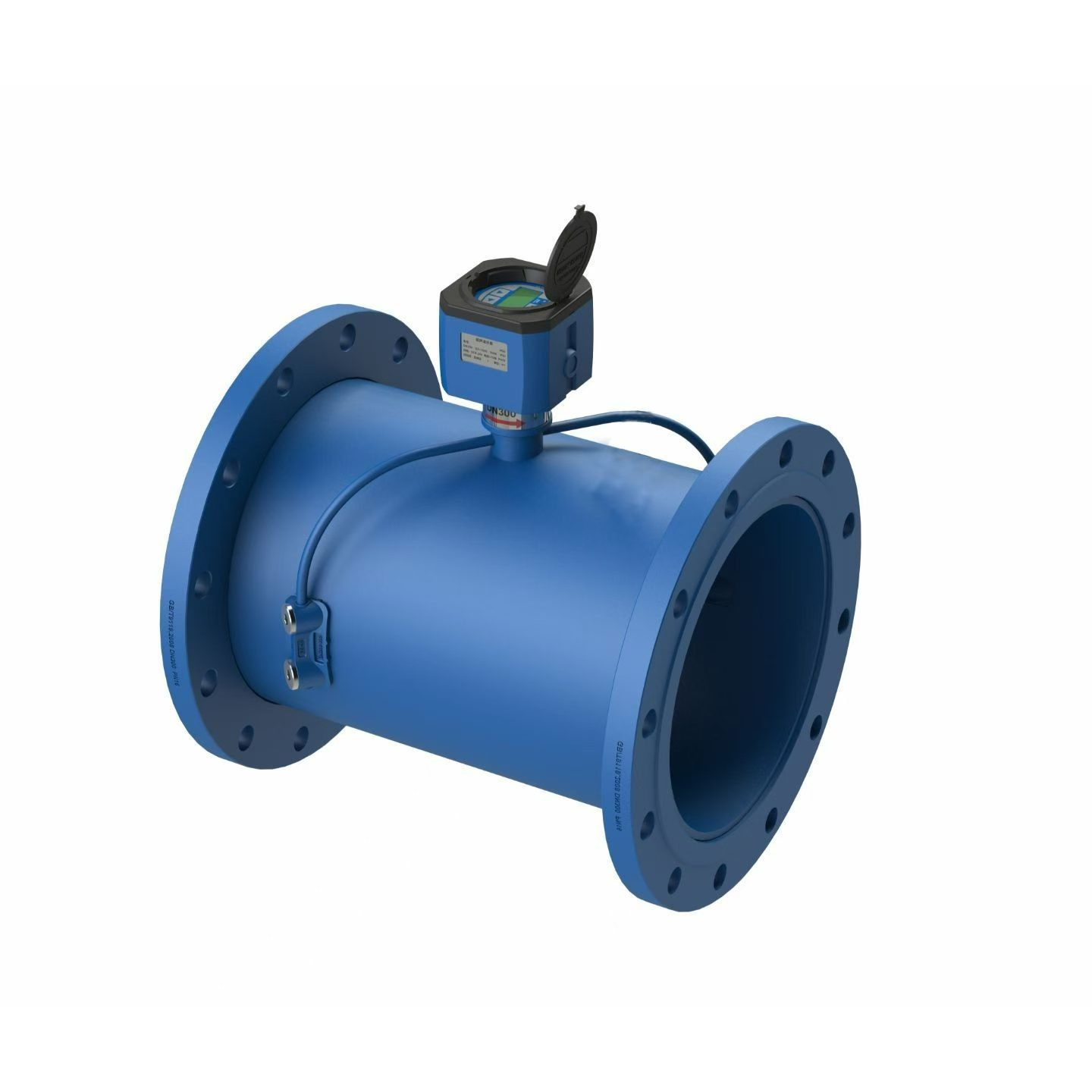
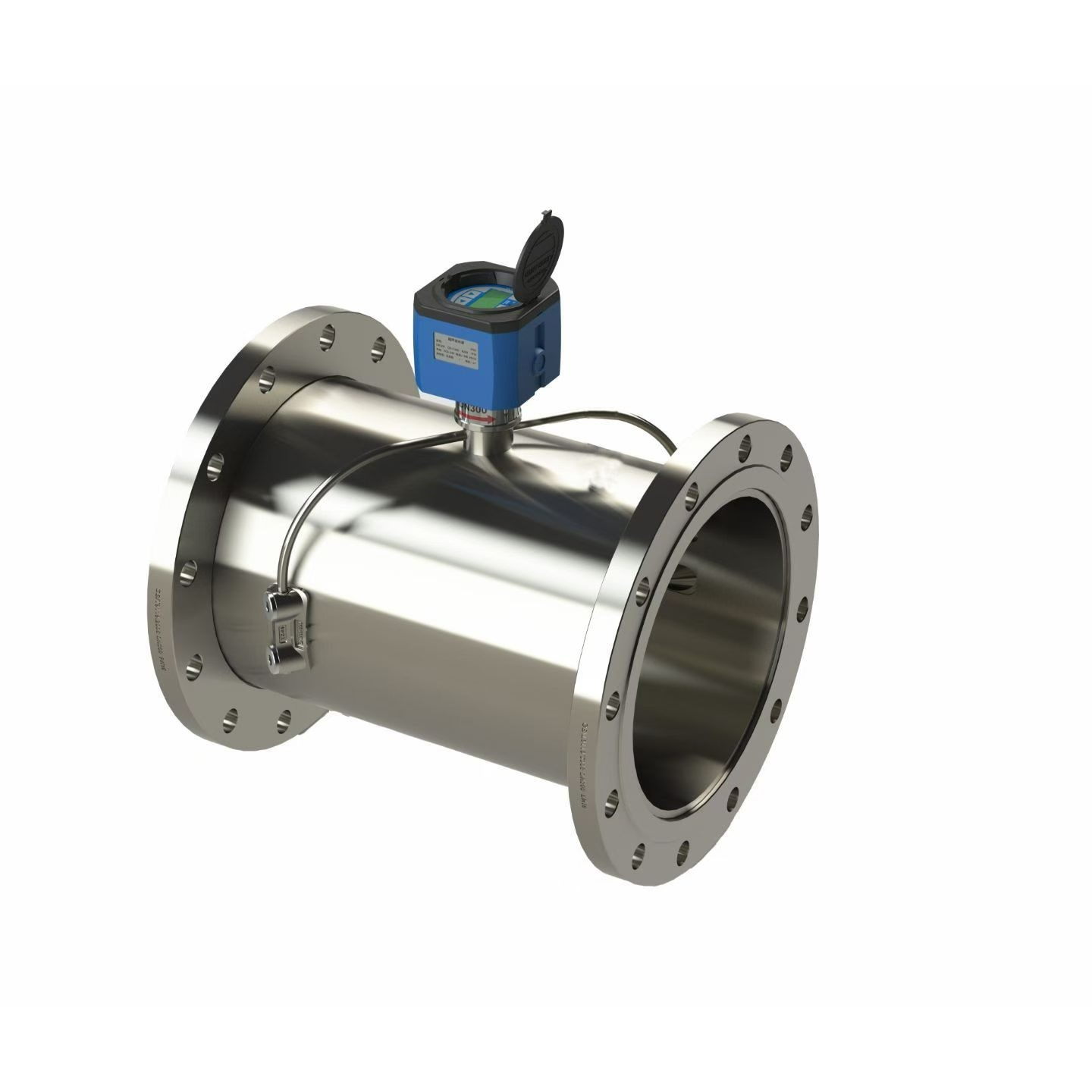
HNF140-B is an industrial small-bore ultrasonic water meter built to ISO 4064-2024 and GB/T 778-2018 for DN15–DN40 service lines, block and district metering, plant intakes and irrigation branches. It measures on a single path with a range ratio of R400: on DN15 the start flow is 0.00156 m³/h and Q1 only 0.00625 m³/h, with nominal Q3 from 2.5 m³/h at DN15 to 25 m³/h at DN40, so one meter covers night leakage and peak demand. The meter is IP68 throughout and works submerged or buried; the full-bore design has no impeller or wearing part and adds only ΔP40. Brass, SS304 and SS316 bodies are available with threaded G3/4B–G2B or flanged PN16 ends, and the two-line LCD shows a 9-digit total above a 6-digit instantaneous flow. An internal 3.6 V lithium cell lasts over six years, with DC 8–24 V as an alternative; RS485, USART and infrared are standard, with optional M-BUS, 4G or LoRa, OCT pulse and 4-20 mA, plus temperature/pressure sensors or a split secondary display.
HNF140-B is an industrial-grade small-bore ultrasonic water meter built to ISO 4064-2024 and GB/T 778-2018 for DN15–DN40 service lines, block and district metering, plant intakes and irrigation branches. It measures on a single acoustic path with a range ratio of R400, so one meter registers the tiny night flow of a leak as well as the peak demand of the day: the start flow on DN15 is 0.00156 m³/h, with nominal flow Q3 running from 2.5 m³/h up to 25 m³/h on DN40. The whole meter is IP68 and keeps working when submerged or buried; the full-bore design has no impeller or wearing part and adds only ΔP40. Brass, 304 and 316 stainless bodies are available with threaded or flanged ends, and the two-line LCD shows a 9-digit total above a 6-digit instantaneous flow. An internal 3.6 V lithium cell runs for more than six years, with DC 8–24 V as an alternative; RS485, USART and infrared are standard, with optional M-BUS, 4G or LoRa radio, OCT pulse and 4-20 mA, plus temperature/pressure sensors or a split secondary display when needed.
A DN15–DN40 line has an enormous flow span: a dozen cubic metres an hour at peak, then nothing but one tap dripping at night. A mechanical impeller will not turn at the low end, or turns but loses the motion in gear clearance, and what goes unrecorded is exactly the part of the network that is hardest to find. HNF140-B measures by transit time with a range ratio of R400: the start flow on DN15 is 0.00156 m³/h and the minimum flow Q1 only 0.00625 m³/h, so night leakage, single-household draws and peak demand are all recorded by one meter.
Small meters carry two hidden costs as well: head loss and blockage. An impeller meter is driven by the water and brings its own ΔP, while sandy or fibrous sources jam the rotor. HNF140-B is a full-bore design with nothing movable in the stream, so the only loss is the ΔP40 of the fitting itself and debris passes straight through, with no upstream strainer required. The meter is IP68 throughout, so a flooded chamber, a buried pit or a damp vault changes nothing about the reading.
Choose this model when all of the following apply:
The pipe is DN15 / DN20 / DN25 / DN32 / DN40
A range ratio of R400 is needed to cover both night leakage and peak demand
The medium is water, sewage or seawater and the pipe runs full
Fluid temperature is 0.1–30 ℃ (cold, T30) or 0.1–130 ℃ (hot, T130)
Class 2 accuracy, a full bore with ΔP40 only and no blockage or wear are required
RS485 / infrared / M-BUS / 4G / LoRa reading is needed, or the site runs on a battery
Talk to us first if the flow stays below Q1 (under 0.00625 m³/h the reading falls outside the guaranteed error band); if the pipe cannot be kept full; if the medium runs above 130 ℃ or is strongly corrosive (another material is needed); if the pipe exceeds DN40 (use the dual or four-path series); if class 1 accuracy or legal verification is required; or if the meter would be buried with no access for reading.
The range ratio is Q3 over Q1. At R400 a 2.5 m³/h meter reads down to 0.00625 m³/h, more than twice the low-end cover of a common R160. For district metering and leakage control that low end decides whether minimum night flow analysis can be done at all.
Ultrasound only needs the beam to cross the fluid to time the difference, with no starting torque to overcome. The DN15 start flow is 0.00156 m³/h, about 1.5 litres an hour, so drips, seepage and single-household night use all reach the total, leaving no blind spot for small flows.
There is no impeller, shaft or gear train in the stream, so the water passes straight through with no added loss and sandy or fibrous sources cannot jam it. That saves the upstream strainer, the space it takes and the maintenance it needs; the transducer sits in a PPS housing behind a stainless face, corrosion-resistant with a strong return signal.
Consumption in the standard state is below 30 μA, so the internal 3.6 V lithium cell lasts more than six years; where power exists, DC 8–24 V can be connected. Wired reading runs up to 1200 m on twisted pair to a reading panel, infrared reads and sets the meter without opening it, and a 4G or LoRa module reports directly where there is no cable. When the meter sits in a pit and the reading has to be at eye level, a low-power secondary display can be added up to 100 m away.
Model | HNF140-B (single-path small-bore model of the HNF140 series) |
Product type | Industrial small-bore ultrasonic water meter, single path, DN15–DN40 |
Standards | ISO 4064-2024, GB/T 778-2018 |
Measuring principle | Ultrasonic transit-time; no impeller or moving part in the stream |
Nominal sizes | DN15 / DN20 / DN25 / DN32 / DN40 |
Path and range ratio | Single path; range ratio R400 (Q3 : Q1 = 400 : 1) |
Accuracy class | Class 2; ±2% between Q2 and Q4, ±5% between Q1 and Q2 |
Flow range | Nominal Q3: 2.5 / 4.0 / 6.3 / 16 / 25 m³/h; overload Q4: 3.125 / 5.0 / 7.875 / 20 / 31.25 m³/h; minimum Q1: 0.00625 / 0.01 / 0.01575 / 0.04 / 0.0625 m³/h; start flow: 0.00156 / 0.0025 / 0.00394 / 0.01 / 0.01562 m³/h (in DN15 to DN40 order) |
Fluid temperature | Cold version 0.1–30 ℃ (T30); hot version 0.1–130 ℃ (T130) |
Measured media | Water, sewage, seawater (other liquids on request); the pipe must run full |
Pressure rating and loss | 1.6 MPa standard, 2.5 MPa optional; pressure loss ΔP40 (full-bore design) |
Protection and classes | IP68; flow sensitivity U3 / D0; climatic and mechanical class C; EMC class E2 |
Body material | Brass, SS304, SS316 on request; PPS transducer housing, nylon and glass-fibre register cover |
Connection | Threaded G3/4B to G2B (DN15–DN40); or flanged PN16 |
Display | Two-line LCD: 9-digit total above, 6-digit instantaneous flow below, plus battery, signal, alarm and flow-direction symbols; touch keys and an infrared port, more than 40 menu items |
Data storage | Ferroelectric memory keeping the previous 31 months and the 31 days of the current month |
Consumption and supply | Below 30 μA in the standard state; internal 3.6 V lithium cell for six years or more, or external DC 8–24 V; measuring cycle 1 per second (settable), 4 per second in calibration |
Communication | RS485, USART (TTL), infrared; M-BUS optional; optional 4G or LoRa radio module |
Outputs | Optional OCT pulse or 4-20 mA |
Working environment | −30~45 ℃; humidity 100% RH |
Secondary display (split) | Low-power display 180 × 120 × 56 mm, ABS housing, IP68, cable up to 100 m, reads and sets the meter directly |
Ordering example | HNF140-DN20-1-BRASS-1.6-RS485-CELL-OCT-NONE — DN20, single path, brass body, 1.6 MPa, RS485, cell powered, OCT output, no pressure or temperature |
Confirm five items before ordering:
Size and flow — select DN15–DN40 from the actual nominal flow rather than the pipe bore alone; size on Q3 first, then check the pipe.
Body material and connection — brass, SS304 or SS316; threaded G3/4B to G2B or flanged PN16 to GB/T 9119 drilling.
Temperature and medium — cold T30 or hot T130; whether the water carries sand or fibres, and whether it is seawater.
Communication and supply — RS485 to a reading panel, infrared on site, M-BUS bus, or 4G / LoRa radio; whether DC 8–24 V is available.
Extras — OCT pulse, 4-20 mA, temperature and pressure sensors, split secondary display.
Installation points: the arrow on the body follows the flow direction, as a reversed body reads negative; the pipe must run full, so mount the body upward on a horizontal run and keep away from the highest point where air collects; leave 3D upstream and 3D downstream with no valve or bend hard against the body; seal threads with a gasket rather than thick tape that narrows the bore, and tighten flange bolts diagonally with gaskets kept out of the bore. Vent the line before commissioning, then zero the total, set the pulse weight and the communication parameters; run RS485 on shielded twisted pair up to 1200 m with the shield bonded as specified.
RS485: up to 1200 m on twisted pair to a reading panel, gateway or block controller, reading total and flow over MODBUS.
Infrared and USART: reading and setting on site without opening the cover, or to a handheld terminal and commissioning tool.
4G / LoRa: direct reporting where there is no cable; LoRa runs through a local gateway, suited to dense blocks of meters in one district.
OCT pulse and 4-20 mA: into integrators, PLC analog inputs or existing acquisition systems for billing and process monitoring.
When connecting to an existing platform, send us its protocol and point list; for 4G / LoRa, confirm the local band and gateway layout; for M-BUS, confirm the bus can power the number of meters attached.
Block totals, building meters and district metering points, where the R400 span makes minimum night flow readable and underpins leakage location.
Homes, shops and public buildings, mostly DN15–DN25, with threaded ends, compact size and low head loss.
Plant inlet, workshop submeters and effluent discharge, commonly DN32–DN40, with RS485 into the facility system.
Irrigation branches, greenhouses and green areas, where IP68 and the blockage-free bore suit sandy sources and open-air positions.
Intakes, well houses and distribution points under remote monitoring, with 4G / LoRa reporting totals and flow to the platform.
The HNF140 series is specified in eight fields; for HNF140-B confirm:
DN: 15 / 20 / 25 / 32 / 40 (from the actual flow, not the bore alone)
PATH: fixed at 1 for this model (single path; two or four paths start at DN50)
BODY: brass / SS304 / SS316 / carbon steel (brass and stainless dominate in small sizes)
PN: 1.6 or 2.5 MPa
COM / SUP / OUT / PT: RS485 (isolated or non-isolated) / 4G / LoRa / M-BUS; cell or DC 8–24 V; none / OCT / 4-20 mA / TTL; none / pressure / temperature / both
Medium and duty: medium name, temperature, sand content, nominal and peak flow, whether the pipe stays full
Example notation: HNF140-DN20-1-BRASS-1.6-RS485-CELL-OCT-NONE — DN20, single path, brass, 1.6 MPa, RS485, cell powered, OCT output, no pressure or temperature. Field order follows the catalogue; the formal order runs against the confirmed configuration sheet and the drawing supplied with each meter.
Yes. On DN15 the start flow is 0.00156 m³/h and the minimum flow Q1 is 0.00625 m³/h, which over the DN15 bore works out to a velocity in the low millimetres per second, far below 0.01 m/s. Note that below Q1 the meter may still count, but it is outside the ±5% band guaranteed for class 2.
Brass and SS304 are the standard options, with SS316 on request. Brass suits indoor and domestic branches, stainless suits corrosive media or where appearance and hygiene matter; the transducer housing is PPS and the register cover nylon with glass fibre.
Yes. The meter is IP68 over the working environment of −30~45 ℃ and 100% RH, so standing water in the chamber, a damp vault or short-term burial does not affect metering or communication; for long-term burial leave access for reading and the infrared port.
It covers both ends with one meter: Q3 keeps the peak inside capacity (DN20 handles 5.0 m³/h at overload), while Q1 keeps the night flow readable (0.01 m³/h). In district metering the minimum night flow is often a few percent of daytime flow, and a meter with a narrower ratio either stops counting or reads with a large error in that band.
The ferroelectric memory holds the previous 31 months and the 31 days of the current month, so daily and monthly figures can be reviewed for billing reconciliation and fault finding; the data survives a power loss.
HNF140 series ultrasonic water meter catalogue (PDF)
Contact: HongNuo
Phone: 13840589744
Tel: 86-13840589744
Email: Guiyang.bai@honno-auto. com
Add: Zhongguancun Innovation Center, No. 28 Huahai Road, Shenyang Economic and Technological Development Zone, Liaoning Province
We chat